
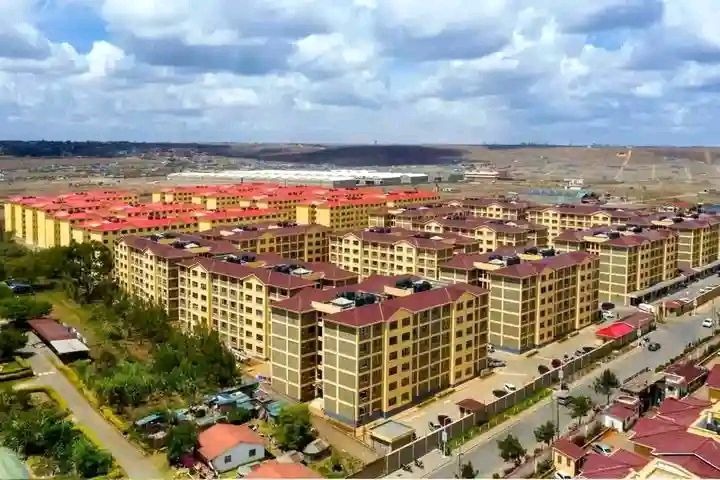
The Bottom Up Economic Transformation Agenda identifies Housing and Settlement as a foundational social and economic pillar designed to confront Kenya’s long standing housing deficit while catalyzing broad based domestic growth. The housing agenda addresses structural challenges that have accumulated over decades, including rapid urbanization, expansion of informal settlements, limited mortgage penetration, and constrained access to serviced land. Adequate shelter is positioned as both a constitutional entitlement and a strategic economic lever capable of stimulating employment, industrial production, financial inclusion, and asset ownership among low and middle income households.
Housing development under the 2026 cycle functions as a large scale economic engine. Construction activity stimulates demand for cement, steel, quarry products, glass, electrical fittings, plumbing materials, tiles, doors, and paint. Transporters, engineers, architects, surveyors, artisans, and suppliers are integrated within the value chain. The multiplier effect extends into financial services through savings mobilization, structured deposits, and long term installment frameworks under the Tenant Purchase Scheme. Each housing project therefore represents both a social intervention and a production site embedded within county level growth plans.
The Affordable Housing Program has moved decisively into a sustained delivery phase characterized by active construction across all 47 counties. The program is defined by visible structural progress, integrated trunk infrastructure, and digital beneficiary onboarding systems. Estates under development incorporate sewer lines, water reticulation networks, electricity connectivity, internal access roads, drainage systems, waste management infrastructure, and designated commercial spaces. Urban renewal is synchronized with dignified housing provision, transforming previously underutilized or informal areas into planned, serviced communities.
The Scale of Construction and Delivery in 2026
The 2026 housing strategy is structured to progressively close the estimated annual housing deficit of 200,000 units through coordinated land assembly, infrastructure investment, and standardized construction frameworks. The objective extends beyond unit production. It encompasses spatial planning, density optimization, affordability calibration, and long term estate sustainability. Developments are planned as integrated communities with social amenities that support cohesive urban living.
The Affordable Housing Program reflects a robust and expanding national pipeline. Projects are distributed across foundation, superstructure, roofing, internal finishing, and final inspection phases. Each site operates under defined construction schedules monitored through progress certification systems. Independent engineers verify compliance with building standards, structural integrity requirements, and safety protocols. Structured contractor engagement frameworks tie milestone payments to verified outputs, strengthening fiscal discipline and predictable delivery timelines.
The housing rollout is aligned with county integrated development plans to ensure estates are supported by surrounding infrastructure such as road connectivity, drainage upgrades, water supply expansion, and public transport access. Planning approvals, environmental compliance checks, and utility integration are sequenced to support smooth transition from construction to occupancy.
Units Under Development and Geographic Reach
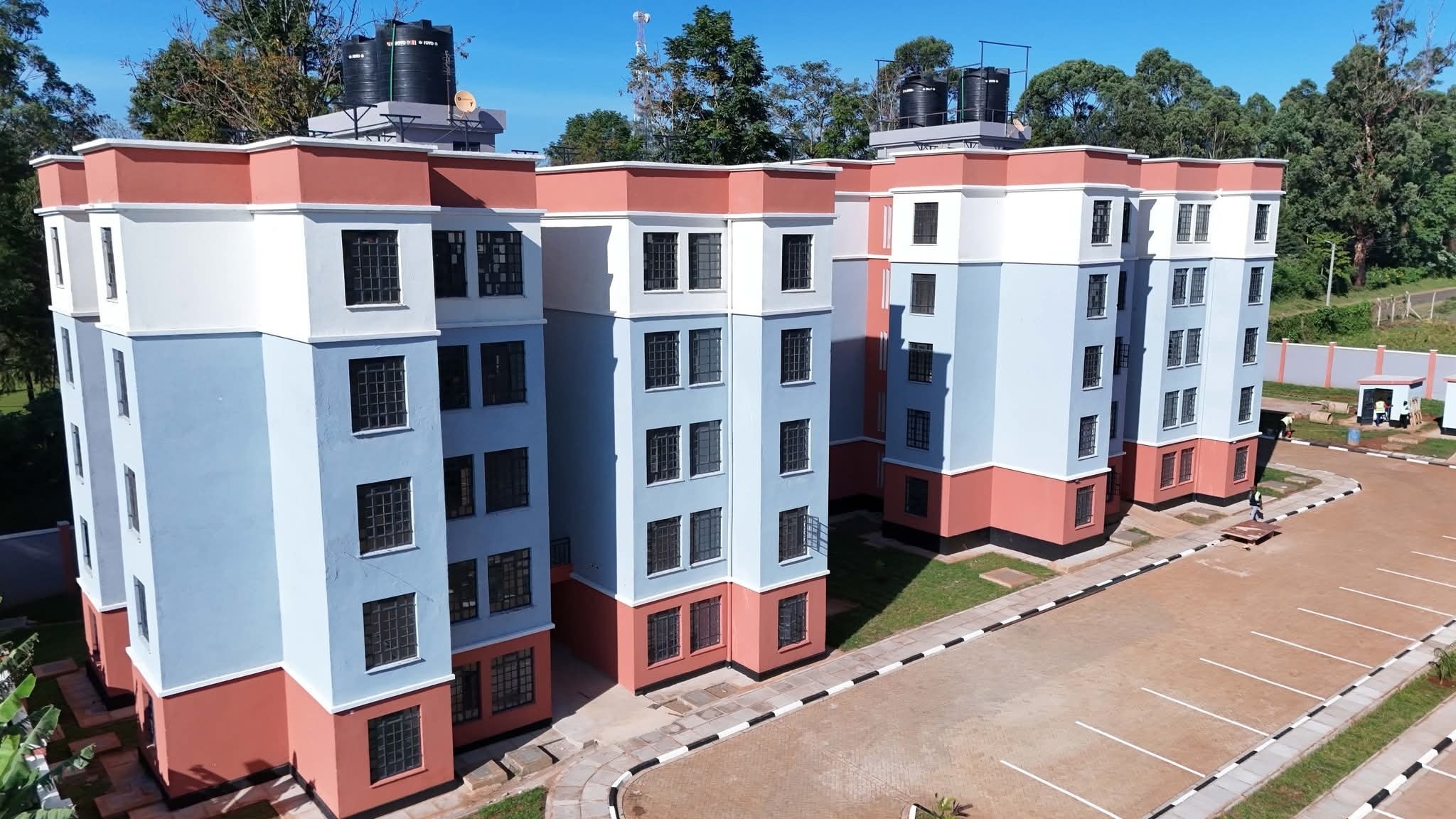
The 2026 rollout ensures equitable geographic distribution of housing developments, allowing contributors from across counties to witness tangible progress within their regions.
- Active Development: A total of 262,913 housing units are currently under construction across 111 constituencies in all 47 counties. These units range from social housing studios to multi bedroom apartments. Daily construction activity generates thousands of direct jobs for masons, steel fixers, carpenters, electricians, plumbers, painters, and site supervisors. Indirect employment is supported within material supply chains, transport logistics, catering services, and security provision.
- Project Diversity and Design Integration: The Lumumba Estate in Kisumu is delivering 2,348 units within a master planned layout incorporating paved internal roads, drainage systems, street lighting, solid waste collection points, and community facilities. The Kikuyu Affordable Housing Project in Kiambu, valued at KSh 3.25 billion and currently 58 percent complete, will deliver 1,140 residential units supported by water and sewer connectivity, electricity infrastructure, and landscaped communal areas. Designs integrate reinforced concrete structural systems, efficient floor layouts, ventilation features, and standardized finishing packages.
- Flagship Completions and Beneficiary Settlement: Completed projects such as Mukuru Affordable Housing with 1,080 units, Bondeni in Nakuru with 605 units, and Homa Bay with 110 units are occupied by beneficiaries who have transitioned from informal or rental housing arrangements into structured ownership pathways. In November 2025, 176 units under Machakos Affordable Housing Phase 1 were handed over, marking visible progression from project launch to occupancy.
- Urban Renewal and Formalization: Several developments incorporate slum upgrading models that provide relocation planning, titling processes, and integration into formal municipal service grids. Residents transitioning into these estates gain access to secure tenure, sanitation infrastructure, electricity, and organized waste management systems.
The national footprint and numerical scale demonstrate a housing program operating with sustained intensity and coordinated planning.
Boma Yangu and the Demand Metric
The Boma Yangu portal operates as the digital core of the Affordable Housing Program, linking applicant registration, savings tracking, deposit mobilization, and allocation management within a transparent framework.
- Registration Milestone and Demand Indicators: By February 2026, registrations exceeded one million applicants. This figure reflects structured demand across salaried workers, informal sector participants, and small scale entrepreneurs seeking formal pathways to homeownership.
- Savings Mobilization and Deposit Tracking: Applicants accumulate the mandatory 10 percent deposit through digitally recorded contributions. The portal allows users to monitor balances in real time, select preferred projects, and track eligibility thresholds. Structured savings discipline supports financial inclusion and asset planning.
- Automated Allocation Framework: Eligible applicants are allocated units through a first past the post system once the 10 percent deposit threshold is achieved. Allocation records are timestamped and digitally logged, minimizing bottlenecks and strengthening merit based access.
- Transparency and Oversight Mechanisms: Every registration, contribution, and allocation is recorded within an auditable database, reinforcing public confidence and strengthening program governance.
Social Housing and Price Accessibility
The 2026 pricing model incorporates a tiered structure designed to align unit typologies with varying income levels while sustaining financial viability.
- Tiered Pricing 2026 Rates:
- Social Housing: One room social units are priced at approximately KSh 640,000. Under the Tenant Purchase Scheme, beneficiaries make monthly payments of about KSh 3,800 over extended repayment periods. This framework enables households earning approximately KSh 15,000 per month to access structured homeownership supported by secure tenure and estate services.
- Affordable Housing: Two bedroom units are priced at approximately KSh 2,000,000 with monthly payments averaging KSh 15,100. These units target lower middle income households seeking predictable installment schedules within serviced estates.
- Market Units: Three bedroom units priced at approximately KSh 4,800,000 cater to middle income earners seeking expanded living space within integrated developments. These units contribute cross subsidy flows that strengthen overall program sustainability.
- Tenant Purchase Scheme Structure: Repayment periods extend up to 25 years, converting monthly housing expenditure into equity accumulation. Beneficiaries receive formal ownership documentation upon completion of payments, strengthening asset security and intergenerational wealth creation.
The pricing architecture integrates affordability, structured financing, long term ownership security, and urban dignity within a nationally coordinated housing framework.
The Economic Engine; Labor Dynamics and Industrial Growth
The Affordable Housing Program functions as a central economic driver within the Bottom Up Economic Transformation Agenda by stimulating the domestic labor market and integrating local industries into a structured construction value chain. Housing development in 2026 is operating as a nationwide production ecosystem that absorbs labor, strengthens technical capacity, expands micro enterprise participation, and deepens industrial output.
Construction sites distributed across 111 constituencies are functioning as employment hubs, skills transfer centers, and procurement platforms for locally manufactured inputs. The housing rollout links professional expertise with grassroots labor participation, ensuring that economic benefits cascade across income levels. The program’s structure promotes wage stability, skill certification, enterprise formalization, and long term income mobility for participating workers.
Labor Statistics and Job Creation Metrics
The scale of construction activity in 2026 has translated into measurable labor absorption across counties, with employment spanning the full spectrum of the built environment sector.
- Direct Employment Velocity: As of March 2026, approximately 525,000 youth and professionals are actively engaged in the housing program. This workforce includes architects, quantity surveyors, structural engineers, project managers, environmental assessors, safety officers, and clerks of works. It also includes masons, carpenters, plumbers, electricians, steel fixers, painters, welders, tilers, and machine operators. Daily wage earners and contract based artisans operate alongside certified professionals within structured site management systems.
- Targeting One Million Jobs: The government is on a projected trajectory to increase youth absorption to one million jobs by December 2026. Expansion into newly activated construction zones in counties such as Marsabit and Turkana supports this projection. Workforce scaling is aligned with phased project commissioning schedules and contractor mobilization plans.
- Youth Skills Development and Certification: Structured apprenticeship programs embedded within project sites are enhancing practical skills transfer. Youth participants gain exposure to reinforced concrete works, finishing standards, site safety compliance, and quality control protocols. Certification partnerships with technical training institutions strengthen employability beyond the housing program.
- Informal Sector Growth: The construction surge has generated approximately 45,000 additional informal sector jobs annually, according to labor surveys. Artisans who previously relied on sporadic contracts now access sustained site engagement. The stability of multi year projects strengthens income predictability and household financial security.
- Gender Inclusion and Diversity: Increasing participation of women in plumbing, electrical installation, tiling, and site supervision reflects expanding inclusivity within construction trades. Structured contractor policies encourage gender balanced recruitment practices.
The labor footprint of the housing program reflects broad based absorption across professional, skilled, and semi skilled categories.
MSME Integration and Jua Kali Empowerment
A defining feature of the 2026 housing model is the deliberate ring fencing of specific construction components for local Micro, Small, and Medium Enterprises. This policy ensures that levy backed capital circulates within domestic production systems rather than exiting the local economy.
- Direct Capital Injection: By March 2026, more than KSh 11 billion has been disbursed directly to MSMEs and Jua Kali suppliers for the production of steel doors, window frames, grills, cabinetry, wardrobes, and metal fittings. This structured procurement model strengthens liquidity within grassroots manufacturing clusters.
- The Jua Kali Preference Policy: A mandated 10 percent sourcing requirement ensures that defined construction components are procured from local artisan groups. Organized clusters such as the Shangwe Jua Kali Association in Uasin Gishu supply standardized fittings to major housing projects. Collective production arrangements enable bulk orders and coordinated delivery schedules.
- Enterprise Formalization and Cooperative Structuring: Artisan groups are forming registered cooperatives to access bulk procurement contracts, structured financing, and equipment leasing facilities. Cooperative registration enhances credit access and strengthens governance within production clusters.
- Standardization and Capacity Building: Through partnerships with the National Construction Authority, artisans participate in certification programs covering welding standards, metal fabrication accuracy, fire safety compliance, and finishing specifications. Product testing protocols ensure alignment with national building codes and enhance durability standards.
- Technology Upgrading and Equipment Investment: MSMEs are reinvesting proceeds into modern fabrication equipment, cutting machines, and welding tools. Equipment upgrades improve production efficiency and reduce material wastage.
The empowerment of MSMEs and Jua Kali enterprises strengthens domestic manufacturing resilience and formalizes segments of the informal economy.
Stimulating Industrial Capacity
The sustained demand generated by the Affordable Housing Program has catalyzed expansion within Kenya’s building materials industry. Industrial producers are scaling output to meet rising procurement volumes associated with the 262,913 housing units currently under construction.
- Manufacturing Expansion: In late 2025, a KSh 32 billion clinker production investment was signed in Kwale County to strengthen cement manufacturing capacity. The new production line increases domestic output, reduces import dependency, and stabilizes supply to large scale housing projects.
- Steel, Paint, and Ceramic Production Growth: Local steel mills, paint manufacturers, tile producers, and sanitary ware suppliers have expanded production shifts to meet consistent demand. Bulk procurement contracts support stable factory throughput and workforce retention within manufacturing zones.
- Value Chain Multiplier Effect: For every housing unit constructed, an estimated five indirect jobs are generated across quarrying, timber processing, hardware distribution, logistics, transport services, and equipment maintenance. This multiplier effect reinforces the construction sector’s contribution to national gross domestic product in 2026.
- Transport and Logistics Activation: Movement of cement, aggregates, steel, and prefabricated components strengthens demand for trucking services, fuel supply, and warehousing operations. Regional depots are scaling operations to support synchronized delivery schedules.
- Financial Sector Linkages: Structured payments to contractors, suppliers, and MSMEs circulate through banking systems, strengthening deposit mobilization and credit activity within the domestic financial ecosystem.
The Affordable Housing Program operates as an integrated economic engine, linking employment generation, MSME empowerment, industrial expansion, and financial circulation within a coordinated national development framework.
Institutional Housing and the Expansion of Student Accommodation
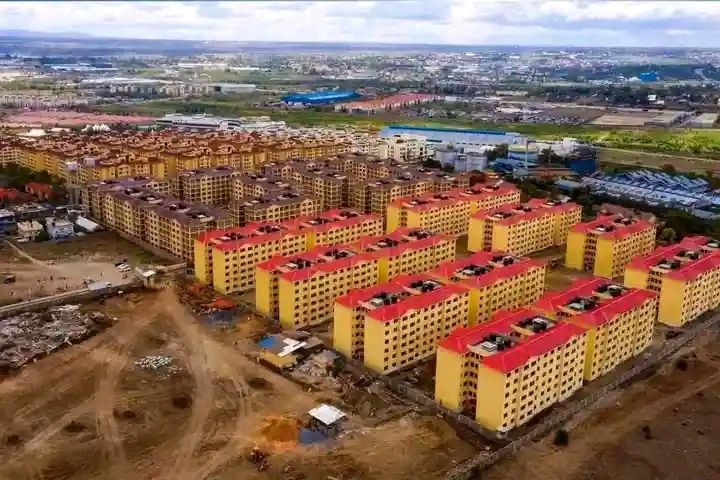
The 2026 housing progress cycle extends beyond family units to address long standing deficits in specialized institutional accommodation within the education and security sectors. Under the Bottom Up Economic Transformation Agenda, the Affordable Housing Program has incorporated Institutional Housing as a structured component designed to support students, security personnel, and civil servants with secure, modern, and affordable living environments.
Institutional housing responds to systemic pressure created by expanding university enrollment, increased recruitment within disciplined services, and limited public sector residential infrastructure. The integration of student hostels and staff housing within the broader Affordable Housing framework ensures uniform construction standards, digital integration, and financing efficiency. This expansion strengthens productivity, academic performance, morale within disciplined services, and long term human capital development.
Addressing the Student Housing Crisis
University enrollment has expanded significantly over the past decade, placing sustained pressure on on campus accommodation capacity. Historically, more than 70 percent of university students relied on private rentals located far from campuses, often in insecure or unregulated environments. The 2026 housing framework introduces structured public investment to bridge this gap.
- The 178,000 Bed National Target: The State Department for Housing and Urban Development has prioritized delivery of 178,000 student beds nationwide. As of March 2026, projects totaling more than 60,000 beds are in active construction, advanced superstructure phases, or scheduled handover cycles. These developments are distributed across public universities and technical training institutions.
- Moi University Annex Campus Milestone: In January 2026, Moi University formally handed over the site for Phase One of an Affordable Housing institutional project delivering 1,260 modern student housing units. The development integrates controlled access systems, reading lounges, and digital connectivity infrastructure.
- Masinde Muliro University of Science and Technology: Construction is underway on a KSh 500 million student hostel complex. Phase One targets delivery of 1,200 rooms, each equipped with integrated digital access, structured study areas, and energy efficient lighting systems. The design supports academic focus and campus integration.
- Alupe University and Bumbe Technical Training Institute: In Busia County, development of 6,000 student beds has commenced. Twin hostel blocks at Alupe University will provide 840 beds, while specialized accommodation at Bumbe TTI will deliver 340 beds tailored to technical trainees. The broader county program integrates sanitation systems, perimeter security, and internal road networks.
- Modern Student Amenities: The 2026 student housing model incorporates high speed internet connectivity, dedicated study pods, communal kitchens, laundry facilities, controlled entry systems, and structured waste management. Design layouts prioritize safety, functionality, and academic productivity.
- Public Private Partnership Delivery Models: Several large scale projects are structured through Public Private Partnerships, including the 4,000 bed development at the University of Nairobi Mamlaka site. PPP frameworks mobilize private capital while maintaining regulatory oversight and affordability standards.
Student accommodation expansion strengthens campus safety, reduces commuting strain, and supports structured academic engagement within secure residential environments.
Security and Civil Service Housing
Parallel to student housing expansion, the 2026 rollout intensifies delivery of structured accommodation for personnel within the National Police Service, National Youth Service, and other civil service cadres. Decent housing for frontline officers directly influences morale, family stability, and operational efficiency.
- NYS and Police Housing Investments: During the 2025 and 2026 financial cycle, significant tenders were awarded for construction of staff houses and trainee accommodation within NYS facilities and police stations. These units replace temporary shelters and aging barracks with planned residential blocks featuring self contained amenities, water connectivity, and electricity supply.
- Modernization of Police Residential Units: A portion of the KSh 464.9 billion national security allocation supports phased replacement of outdated line housing with modern apartment units. New housing blocks include private sanitation facilities, structured drainage systems, and secure compound layouts.
- Welfare and Retention Impact: Improved living conditions enhance family stability for officers stationed in remote areas. Structured housing reduces relocation pressures and strengthens retention within disciplined services.
- Integration with Broader Housing Standards: Institutional housing units mirror quality benchmarks applied across the broader Affordable Housing Program, ensuring consistency in construction standards and material durability.
Institutional accommodation therefore strengthens operational readiness within security and civil services while reinforcing public sector welfare frameworks.
Talent and Internship Integration
The institutional housing rollout operates simultaneously as a structured training ecosystem for emerging Kenyan professionals within the built environment sector.
- Graduate Internship Deployment: In January 2026, the State Department for Housing deployed 5,000 graduate interns across affordable and institutional housing sites. Participants include engineers, architects, quantity surveyors, environmental specialists, and construction managers.
- Practical Skills Integration: Interns are embedded within active project management teams overseeing foundation works, structural supervision, cost control, quality assurance, and compliance monitoring. Exposure to live construction environments strengthens applied technical competence.
- Knowledge Transfer and Supervision: Senior engineers and consultants provide mentorship and structured supervision, ensuring that practical training aligns with professional accreditation standards.
- Live Laboratory Framework: The 262,913 housing units currently under development function as a national scale practical training platform for Kenya’s next generation of built environment professionals.
A Nation in Construction
The 2026 cycle reflects measurable transition from policy design to physical delivery across family housing, student accommodation, and institutional residential infrastructure. With 8,367 units completed and more than 260,000 units in the development pipeline, construction activity spans urban centers, university campuses, and security installations.
Employment generation exceeding 525,000 direct jobs, integration of MSMEs, expansion of industrial manufacturing capacity, and delivery of dignified accommodation for students and civil servants collectively anchor the housing pillar within the broader economic transformation agenda. The Affordable Housing Program now operates as a coordinated national construction framework linking social protection, workforce development, and infrastructure expansion.
